
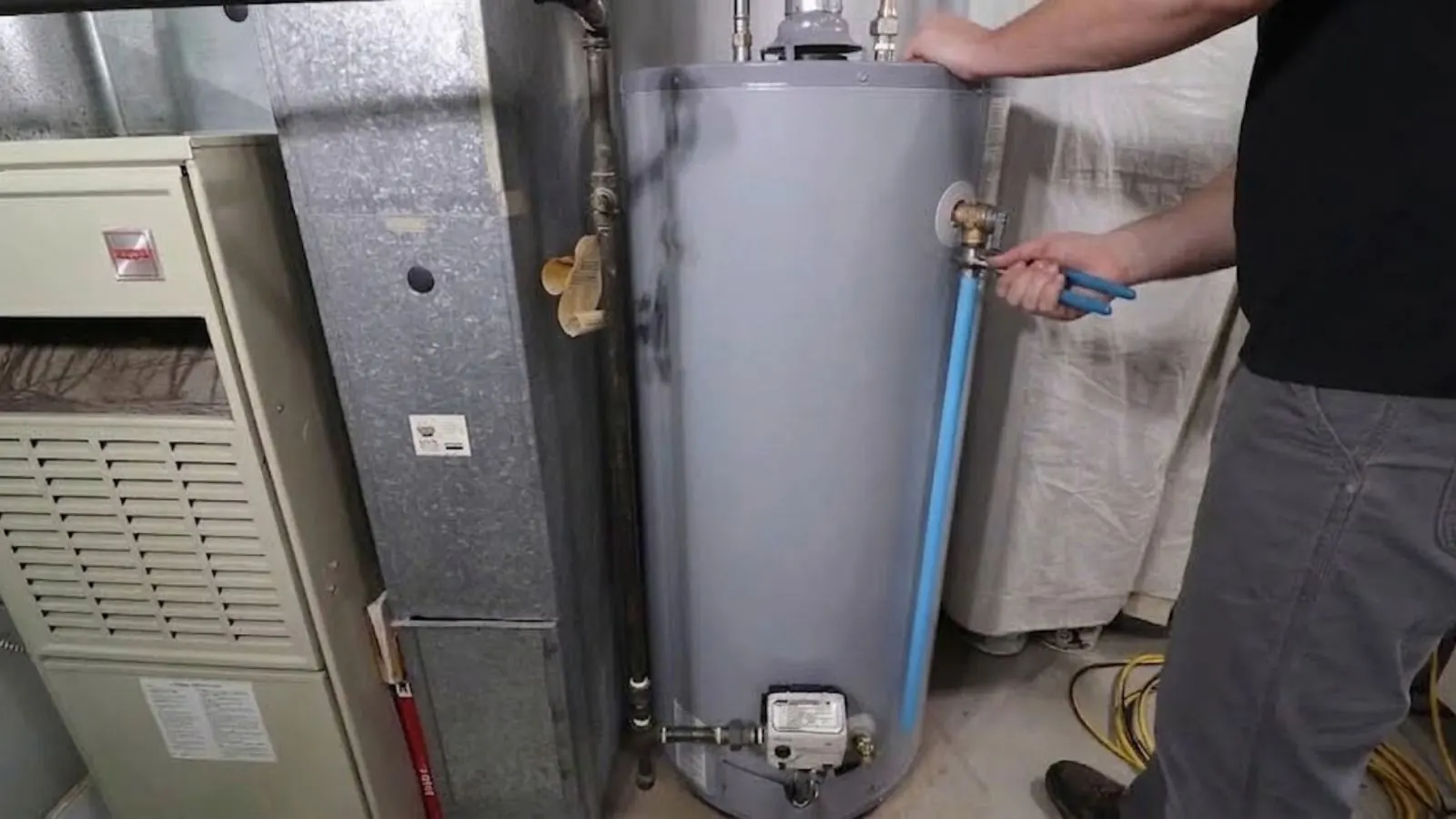
A planned water heater installation gives you something a breakdown never does: time to choose the right unit, the right location, and the right connections. Fayetteville 24/7 Plumbing handles new installs, upgrades, relocations, and fuel conversions for homes that want the job done properly on a schedule.
Water heater installation in Fayetteville, GA means fitting a new heater where none stood before, or changing the type, size, or position of the one you have. This page walks through the decisions, the site checks, and what a finished install should include.
Decisions to settle before install day
Most installation trouble starts with a choice made too late. Settling a few things in advance lets the plumber bring the right unit, fittings, and venting on the first trip. If your current heater has already failed, the replacement page is the better starting point.
Pick the heater type
Standard tank, tankless, or heat pump tank, based on household size, space, and fuel available at the house.
Choose the location
The current spot may be fine, or a garage, closet, or attic position may suit a new unit better.
Confirm the fuel and power
Gas needs the right pipe size and vent. Electric needs a circuit that can carry the load.
Check access and clearances
The plumber measures the space, the door width, and the room needed around the unit.
Book the visit
You get a clear price before work starts, and a date that suits your schedule.
Gas appliances and the smell of gas
Safety comes before scheduling
If you ever notice a gas odor around an existing heater or a new gas connection, treat it as an emergency for the fire department, not for a plumber. Walk everyone outside, leave doors as they are, and phone 911 or your gas utility from a safe distance.
A plumber can inspect the appliance once the utility says the house is safe. We do not promise a response time for gas leaks, since the utility must act first.
Venting, gas line size, and combustion air
A new heater is only as safe as the pipes and vents behind it. Gas units need a vent that carries exhaust outdoors without backdrafting, a gas line sized for the unit's demand, and enough air for the burner. Tankless models often need more of all three than the tank they replace.
| Check | Why it matters | Typical result |
|---|---|---|
| Vent path and material | Exhaust must leave the house without leaking back in | Reuse, resize, or reroute the vent |
| Gas pipe size and length | A unit starved of gas fires poorly or not at all | Keep the line or run a larger one |
| Water supply and pressure | High pressure stresses the tank and fittings | Add a regulator or expansion tank where needed |
| Drain and relief discharge | Overflow must have a safe place to go | Route a discharge pipe or condensate line |
| Electrical capacity | Electric and heat pump models draw real load | Confirm the breaker and wiring suit the unit |
Relocating or converting a heater
Moving a heater from a closet to a garage frees living space, and switching from electric to gas can lower running costs where gas is available. Each move changes the pipework, and larger remodel work belongs with general plumbing installation. Supply lines, the vent, and the drain all have to follow the new position.
Going from a tank to a tankless unit is the most involved conversion. It can need a larger gas line, new venting, and a bigger electrical feed for the controls. The tankless page covers the unit itself, and the same visit can handle the supporting plumbing.
Heat pump tanks are a third route. They need floor space, air movement, and a condensate drain, and they are not a fit for every closet.
Expansion tanks, valves, and the finishing details
- Expansion tank: absorbs the pressure rise when water heats in a closed system.
- Relief valve and discharge pipe: opens if pressure or temperature climbs too high and sends water somewhere safe.
- Shutoff valves: let you isolate the heater later without closing the whole house.
- Dielectric or flexible connectors: protect the joint between dissimilar metals and ease future service.
- Drain pan where needed: catches a slow leak before it reaches the floor.
These small parts decide how forgiving the install is years later. Ask to see them listed on the quote.
Permits, inspections, and verifying your plumber
Georgia's state minimum plumbing code is based on the International Plumbing Code with Georgia amendments, and the installer is responsible for following it. Permit rules vary, so ask the Fayetteville building department before a water heater swap or any rerouting of pipes.
You can also verify any plumber yourself. The Georgia State Division of Master and Journeyman Plumbers, run through the Secretary of State, offers an online licensee search. Doing that before you sign takes a couple of minutes and tells you the person is licensed.
What changes the cost of an installation
Price follows the unit you pick, its size, the fuel, the amount of new venting or gas line, and the access to the install spot. Electrical work and code upgrades to old connections add to the total. Minerals in the water affect long-term upkeep, especially for tankless models, and the water varies. Test your tap, or ask the water utility for its annual water quality report.
Homeowners insurance does not usually pay for a planned upgrade, and a manufacturer warranty can depend on correct installation, so keep your paperwork. The service covers homes in the Fayetteville ZIP codes 30214 and 30215. For a clear price, call (770) 214-4545 and describe the project.
Have a heater project in mind?
Call to talk through the site, the unit, and a schedule that suits you.
Water Heater Installation questions from Fayetteville homeowners
Usually yes, if the new spot has room, vent access for gas units, a drain path, and power where needed. The plumber measures the space first. Moving a heater means moving the pipes, so plan for the extra work.
Many homes do, especially those with a closed system or a pressure regulator at the meter. The plumber checks your water pressure and plumbing setup and tells you whether one is called for.
Sometimes not. Tankless heaters pull a lot of gas at once, so the line may need to be larger. The site check measures it before you commit to a model.
Unit type and size, fuel, venting, gas or electrical upgrades, how reachable the install spot is, and what code work the old setup needs. Ask for each item listed. Call for a price on your project.
It can, depending on the minerals. Fayetteville draws roughly half its water from three city wells and the rest from the Fayette County Water System. Neither report lists a hardness number, so test your tap and plan for flushing.
Use the licensee search on the Georgia Secretary of State website. It lists plumbers licensed through the State Construction Industry Licensing Board.
Yes, removal can be included. Check that it is on the quote so there is no surprise on the day.
Sources and standards. Installation guidelines come from the manufacturer's instructions, the International Plumbing Code (IPC) as adopted in Georgia, and the National Fuel Gas Code (NFPA 54) for gas piping. Ask the Fayetteville building department whether your job needs a permit.